
Blog
Can family businesses survive without sacrifice?

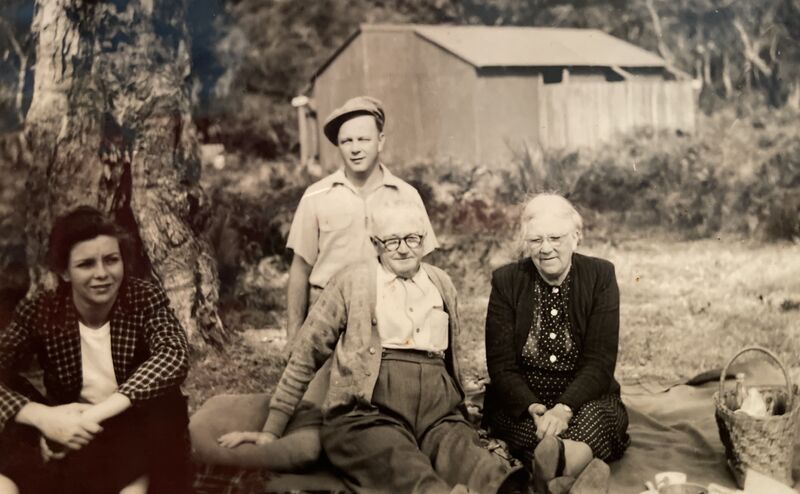
Many of the family businesses I advise today were built by founders from the Silent Generation and later expanded by Baby Boomers. They worked extraordinary hours, mortgaged everything they owned, delayed gratification and accepted risks that would make many people uncomfortable today.
Whether we agree with their choices or not, resilience wasn’t optional. It was often the price of survival.
What I find myself questioning is whether the culture that created those businesses still exists. Today’s successors and younger founders often place greater value on work-life balance, wellbeing, flexibility and personal fulfilment. There’s nothing inherently wrong with that. In fact, some of the old ways came at a significant personal cost.
But business ownership is different from employment. When cash flow tightens, markets shift or opportunities emerge, owners don’t get to clock off. There are periods when founders simply have to sacrifice more, carry more risk and endure more uncertainty than everyone around them.
That leads me to an uncomfortable question. If faced with the same circumstances as previous generations, how many would mortgage the family home, defer income for years or commit to a twenty-year journey of building value rather than pursuing a quicker exit?
Perhaps resilience hasn’t disappeared. Perhaps we’re witnessing a cultural shift.
Dennis Jaffe and James Grubman, in 𝘊𝘳𝘰𝘴𝘴 𝘊𝘶𝘭𝘵𝘶𝘳𝘦𝘴, argue that people from different cultures often hold fundamentally different assumptions about obligation, authority, risk and decision-making. I sometimes wonder whether family businesses are experiencing something similar, not across countries, but across generations.
The real question may not be whether younger generations are less resilient. It may be whether the culture of ownership itself is changing.
And if it is, what will that mean for the future of family business?
Robert Powell is the founder of Family Boards Pty Limited and Greater Governance Pty Limited. He advises family owners and directors on governance, succession, and owner strategy, helping families align relationships, legacy, and long‑term value.