
Blog
Family Business leaders don’t inherit the future. They design it

In family business, we spend a lot of time worrying about conflict. But the real risk is 𝘿𝙧𝙞𝙛𝙩. Ending up somewhere no one actually chose.
You’ll often hear: “The future won’t design itself.” Actually, it will, if you let it. And that’s the problem.
The past can’t be changed, but the future is unwritten. If you don’t actively shape it, it still takes form anyway, just not by design.
Designing the future means asking some hard questions. Most families avoid them. Succession. Ownership. Decision-making. Expectations. Not because they don’t matter, but because they’re uncomfortable.
Sometimes that’s when an independent voice helps. Someone who can ask the questions properly, in a safe environment. I’ve filled this role many times, and it’s a game changer for business families.
I recently met a family who had hired a mediator to help manage the many conflicts which had arisen, who acted as moderator so they could get through their quarterly meetings “safely”. Scratching the surface, they hadn’t asked the hard questions earlier, and lacked the structure they needed. They thought they’d solved how to manage the inevitable disagreements and confusion, without acknowledging the root cause.
The families I see make progress keep it simple:
1. Why are we doing this together? If it’s not clear, everything else gets harder.
2. What future are we actually trying to create? For the business and the family.
3. What are we avoiding? That’s usually where the real issues sit.
4. What will we actually do? Not ideas. Actions, with ownership and timing.
Family businesses don’t lose their way overnight. They drift. Small decisions. Deferred conversations. Unclear direction.
Respect the past, but don’t let it design the future. Make the choices. Take the action. Design it properly.
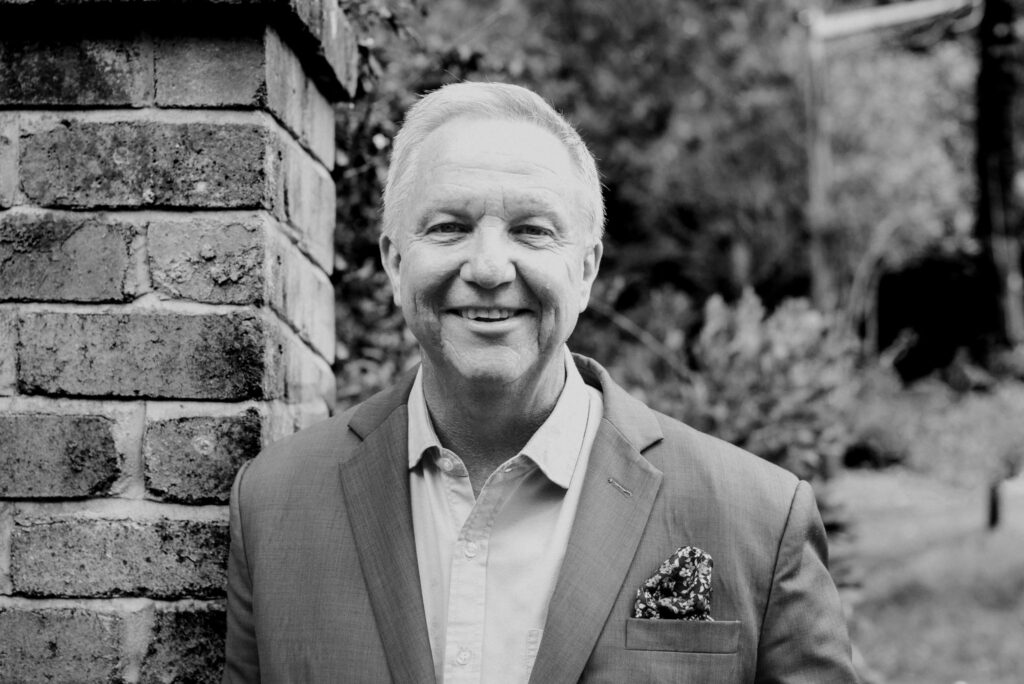
Robert Powell is the founder of Family Boards Pty Limited and Greater Governance Pty Limited. He advises family owners and directors on governance, succession, and owner strategy, helping families align relationships, legacy, and long‑term value.